
A growing scale internet users are tapping social media sites to seek support for what they see as unfair company practices
Social media harnessed the support – and donations – of millions after the devastating Haiti earthquake.
A viral communication wave that swept Facebook and Twitter generated awareness and prompted donations for the Haiti and Chilean earthquakes.
But internet users do not only respond to global emergencies – on a growing scale internet users are tapping social media sites to seek support for political causes and voice consternation over what they see as unfair company practices:
- Intel was attacked by activists opposed to minerals mining in the Congo inundated Intel’s Facebook page. They wanted Intel to pledge its support for a congressional bill that would restrict the import of “conflict minerals” that contribute to fighting in the war-torn country
- Human rights group Amnesty International launched a social media campaign on Facebook, Twitter, MySpace and through bloggers, designed to raise money for a full page ad buy attacking oil company Shell in a UK national newspaper
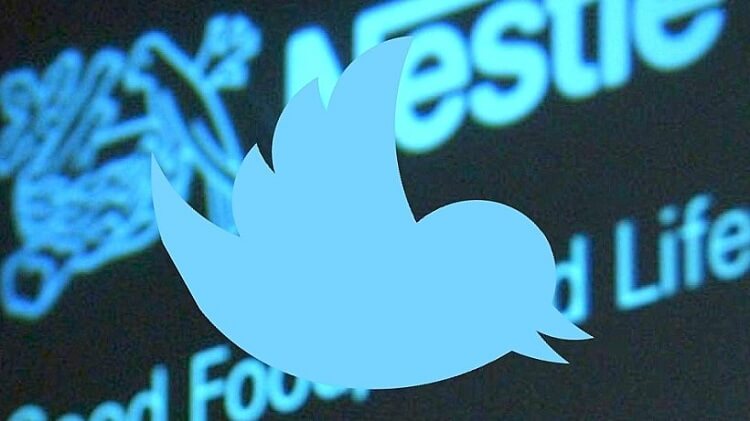
- Nestlé, maker of Kit Kat, was attacked by Greenpeace for using palm oil from companies that where trashing Indonesian rainforests, threatening the livelihoods of local people and pushing orang-utans towards extinction. Greenpeace prepared a frontal assault with prepared assets such as off-brand logos, detrimental videos, and called for their Twitter followers to attack Nestle’s Facebook page
- Hewlett-Packard, which released a web camera that supposedly track people’s faces – always keeping them centered on screen – got slammed when a buyer posted a video claiming that the product doesn’t recognize African American faces. The video, posted under the title “HP Computers Are Racist”
- United Airlines repeatedly refused to listen and take corrective action after damaging the guitars of Dave Carroll. He eventually wrote a song in response, that has been viewed than 8,4 mill. times on Youtub and had untold damage to United. Now known as the “United Breaks Guitars” phenomenon
- Air Canada damaged a wheelchair – special motorized chair – belonging to 10-year-old passenger Tanner Bawn fighting muscular dystrophy. As soon as word hit Twitter that the wheelchair was damaged in transit, the outraged messages started to fly. “So. @aircanada killed Tanner’s wheelchair. We’re now stuck at La Guardia. Twitter exploded with support for Tanner
- Bank of America rewarded one of their customers loyalty by repeatedly raising interest rate – than the customer turned to YouTube
- Greenpeace activists in a number of European countries called on the international bank BNP Paribas to “stop radioactive investments”, including its plans to fund an obsolete, dangerous nuclear reactor in Brazil
- Greenpeace also launched the “Unfriend Coal” targeting Facebook
- Don’t use a political and human situation that many people are concerned about, to market products and services – Habitat and Kenneth Cole did forget that
And let us not forget BP – a chapter of its own:
- A Facebook group called “Boycott BP,” it’s urging a worldwide boycott of all BP brands and services
- An anonymously managed Twitter account – BP Public Relations (@BPGlobalPR) – that makes glib comments, purportedly on BP’s behalf
- Flash mob attack against the BP station on Houston and Lafayette in New York City
- “Closed. Moving beyond petroleum” – Greenpeace shut down every BP petrol station in London
- YouTube users are uploading a steady stream of videos – about the oil spill – that use humor to express their anger about BP
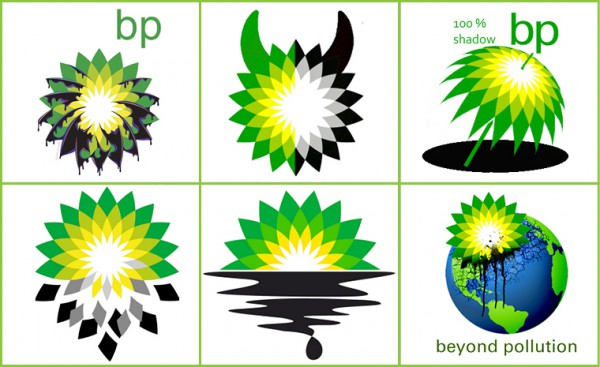
- Greenpeace, initiated a “Rebrand the BP Logo” contest
- The Black Oil Firefox plugin that aims to black out all mentions of BP across the web
- “The Halloween attack” – LI’s Fun World, known for creating the costume used in the movie “Scream”, has created “bad planning,” a costume that parodies the Gulf of Mexico oil spill
- And the Lady GAGA (Bad Romance) remake song “Big Oilmance“
In the current social media ecosystem, it’s critical to have a crisis management plan in place to mitigate potential problems.
Short URL & Title:
Social media sites used to channel anger and frustration — http://www.torbenrick.eu/t/r/tri
Share it:
If you enjoyed this article, please take 5 seconds to share it on your social network. Thanks!






About The Author
Torben Rick
Experienced senior executive, both at a strategic and operational level, with strong track record in developing, driving and managing business improvement, development and change management. International experience from management positions in Denmark, Germany, Switzerland and United Kingdom